Brazilian Supreme Court holds hearing on fixed-odds betting ban
Regulation2 min read
In brief
- Brazil's Supreme Federal Court is reportedly holding a public hearing on 3 November on the fixed-odds betting ban.
- The hearing cannot suspend the ban or allow platforms to return.
- Congress must vote on Provisional Measure 1.394/2026 by 23 November, extendable by 60 days.
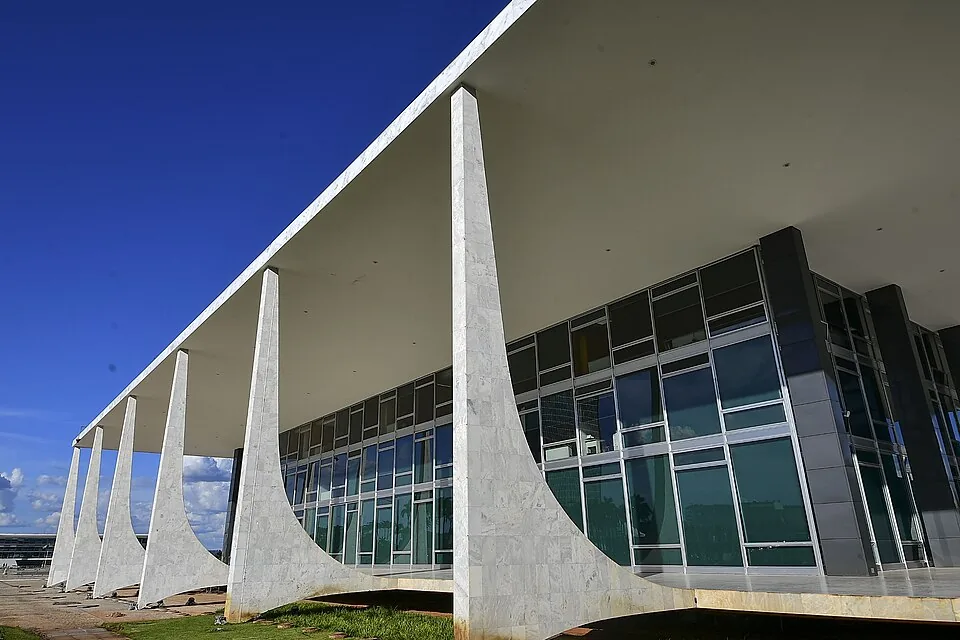

Justice Luiz Fux of Brazil's Supreme Federal Court is reportedly chairing a public hearing on 3 November on the ban on fixed-odds sports betting in Brazil. The hearing has no power to decide the case, suspend the ban or allow betting platforms to return.
The hearing forms part of direct action of unconstitutionality ADI 8.027, brought by the National Association of Games and Lotteries (ANJL) against Provisional Measure 1.394/2026. It brings together 34 participants, including representatives of the health and justice ministries. In Congress, the provisional measure must be voted on by 23 November, and that deadline can be extended by a further 60 days.
Analyst Andrei Kampff argues in an opinion article that the ban does not resolve the problems the measure is meant to address. The article says Brazil legalised betting in 2018, opened the regulated market in 2025 and reversed the decision less than two years later. It states that the state charged R$30m for five-year operating authorisations and ordered the activity to end less than two years after the regulated market opened. Kampff says the government may change course but must show why less restrictive alternatives would be insufficient.
The article says the ban could push bettors towards illegal operators. It cites an ANJL survey that identified 60,477 suspect addresses by 27 October. The article notes that the study comes from the industry itself and that not all of the addresses appeared after the ban. Kampff says authorised operators were obliged to identify bettors, prevent money laundering and report to the state, which allowed oversight and punishment, and that these obligations lapse in the illegal market.
The article calls for regulation with identity and age verification, blocking of access for minors, identification of risk behaviour and respect for self-exclusion.