Brazil's TSE admits Novo case over 2026 Lula-Alckmin election campaign
Regulation2 min read
In brief
- Brazil's TSE admitted Novo's case alleging abuse of political and economic power by the Lula-Alckmin ticket.
- The admission only opens proceedings and does not rule on the merits.
- The case cites Provisional Measure 1.394/2026, which banned fixed-odds betting platforms.
- Next, the inspector-general decides on evidence, the electoral prosecutor responds and the case goes to the plenary.
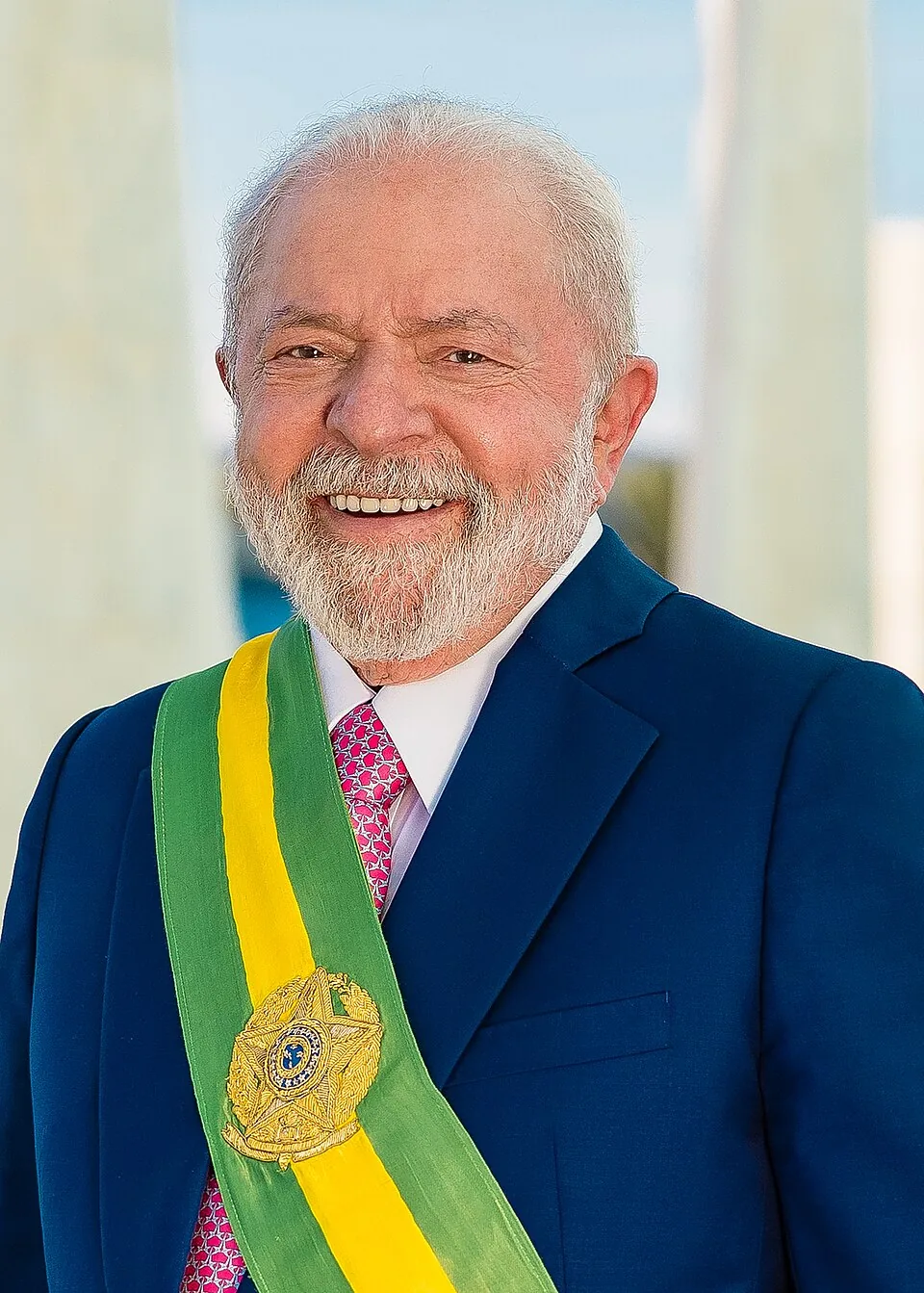
Brazil's Superior Electoral Court (TSE) has admitted a case brought by the Novo party, which accuses the ticket of Luiz Inácio Lula da Silva and Geraldo Alckmin of abuse of political and economic power in the 2026 presidential elections. The decision was taken by Ricardo Villas Bôas Cueva, the electoral justice inspector-general and a minister. It only opens the proceedings and does not rule on the merits of the request.
Among the acts cited by Novo is Provisional Measure 1.394/2026, which banned fixed-odds betting platforms in the country. Novo regards the measure as part of a set of benefits and decisions with strong popular appeal whose validity or payment coincided with voting dates. The case was filed on 20 October, before the second round. According to the petition, Lula issued 35 acts between 1 January and 16 October 2026 that created or expanded benefits or addressed topics of strong popular appeal. Twelve of them came between 16 August, the official start of the campaign, and 16 October.
Besides the betting measure, the list in the petition includes a diesel subsidy. It also includes a 15% increase in Bolsa Família, signed 17 days before the first round and paid from 19 October. Novo also points to what it describes as a reversal by the government itself. The ban affects a sector that the Lula administration regulated and licensed under Law 14.790/2023.
In the first round, Lula finished behind Flávio Bolsonaro (PL), with 45.16% of valid votes against 47.03%. In the second round, Lula won by 51.79% to 48.21%.
With the case admitted, the inspector-general will decide which evidence is to be produced. The electoral prosecutor's office will then respond and the case will go to the TSE plenary. Under the Ineligibility Law, a conviction for abuse of power can lead to revocation of the diploma and eight years of ineligibility. With this case, the number of cases on the presidential contest that may be investigated under Villas Bôas Cueva's reporting role rises to 20.
The report says operators' licences lapsed on 25 October. It adds that the measure begins to lock the Congress agenda on Monday 9, and that the joint committee has not yet been installed. At the Supreme Court, the actions against the measure are to be judged together with other cases, with no date set.