Brazil betting associations ask Supreme Court to suspend provisional measure
Regulation3 min read
In brief
- The associations said each operator paid BRL30m for a five-year licence.
- Justice Luiz Fux made no ruling at the 3 November hearing, and the measure remains in force.
- The government wants a congressional vote before 20 December.
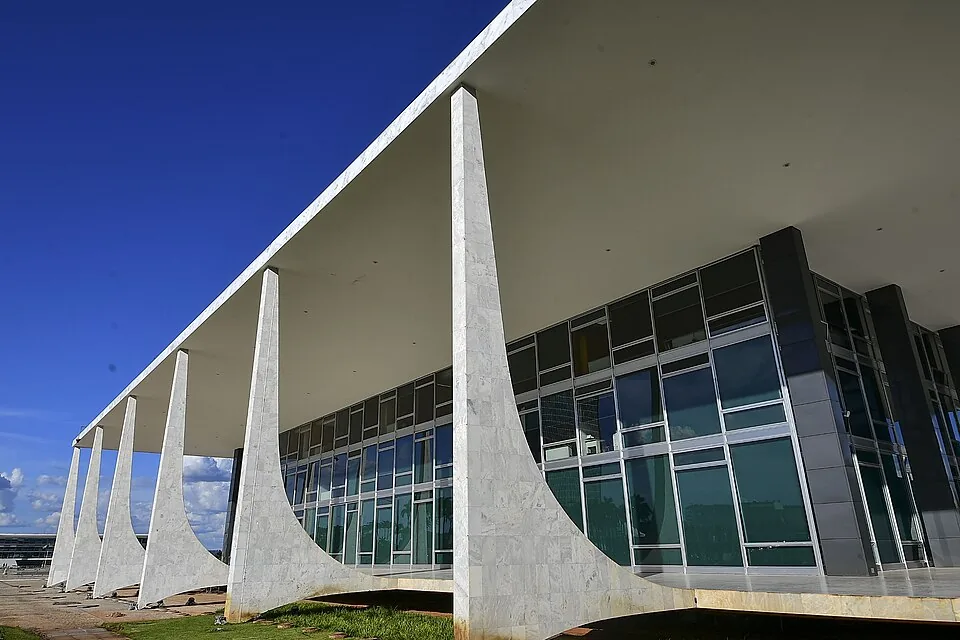
Brazil's main betting sector associations have asked the Federal Supreme Court (STF) to suspend Provisional Measure 1.394/2026 until Congress rules on its content or the court decides the merits. The National Association of Games and Lotteries (ANJL), the Brazilian Institute for Responsible Gaming (IBJR) and Anseja presented their arguments to the court on 3 November, at a hearing where they questioned the legal certainty and economic consequences of the decision. The hearing ended without Justice Luiz Fux issuing a ruling or granting the requested interim suspension. No date was set to decide the merits, so the measure remains in force.
According to the associations, their main objection is that the measure abruptly halts a process of regulating and formalising the market that had taken years of legislative debate and significant business investment. They noted that each operator paid BRL30m for a five-year licence and warned that the ban would leave those sums without any possibility of reimbursement. The organisations did not dispute Fux's position that the Brazilian Constitution does not recognise an automatic right to operate betting. They argued, however, that any regulatory change must respect the principles of legal certainty, proportionality and compensation, and take its tax and economic consequences into account.
The ANJL said that more than 60% of the market had moved to authorised platforms before the ban took effect. It also said operators had paid close to BRL3bn in licence fees. The ANJL cited Finance Ministry data that would show a 32% fall in betting volume over the past three months. At the hearing, the ANJL representative described the formalisation process as an advance that, in his view, the new measure had interrupted.
The IBJR asked for an interim measure to halt application of the provision until Congress votes on it or the STF rules on the merits. It argued that the government had immediately reversed a legislative decision taken after years of debate, and it questioned the urgency cited to justify the change. Anseja, represented by Ana Sofia Signorelli, put potentially affected tax revenue at BRL12.7bn or more, a figure that it said would double the measure's own estimate. Anseja also warned of possible claims for the return of licence fees, which could reach BRL1.6bn.
The government defended the authorities' actions and said police operations had also reached authorised platforms. It also argued that the regulatory framework had not managed to guarantee sufficient protection for society.
The debate now moves to Congress, where the measure will begin to block the legislative agenda on 9 November. Its first 60-day period of validity ends on 23 November. The government wants the text put to a vote before 20 December.